We remain fully operational. Our teams are working around the clock to ensure your deliveries continue safely.

DOWNLOAD THE APP


Copyright © 2025 Desertcart Holdings Limited
DOWNLOAD THE APP



Buy anything from 5,000+ international stores. One checkout price. No surprise fees. Join 2M+ shoppers on Desertcart.
Desertcart purchases this item on your behalf and handles shipping, customs, and support to Bahamas.
🔥 Weld like a pro, no gas, no limits! 🛠️
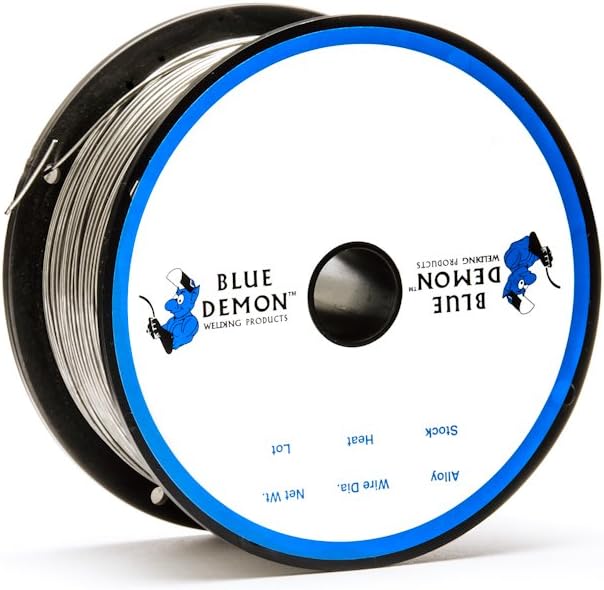
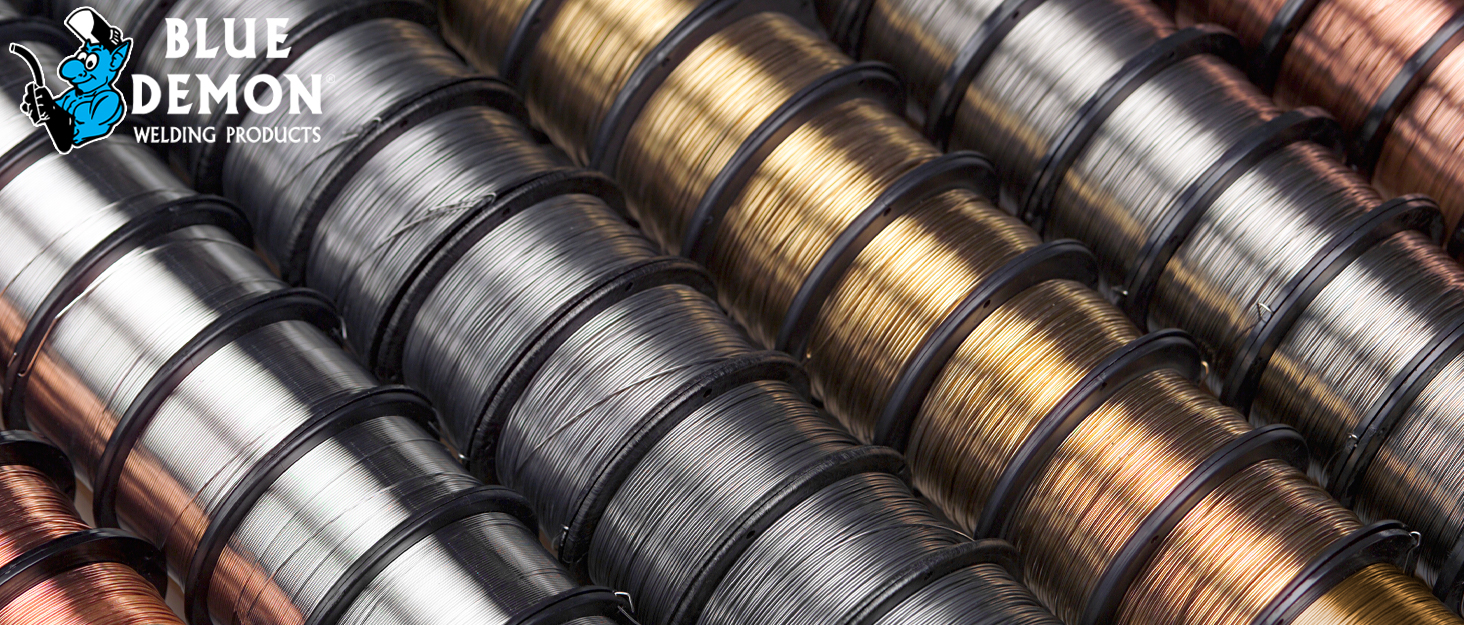
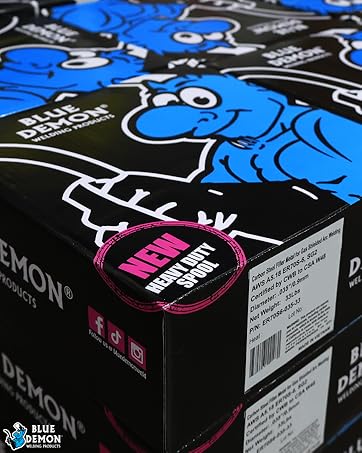
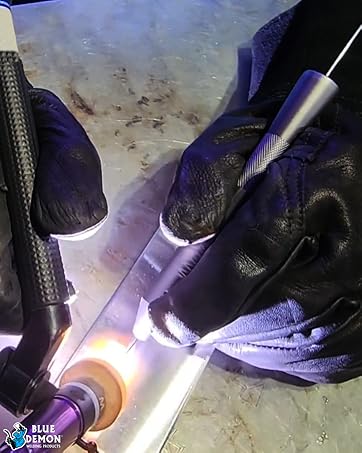
Blue Demon 308LFC-O .035 flux-cored welding wire is a 1 lb spool of stainless steel wire engineered for gasless welding on all 300 series stainless steels, including 308L and 430 grades. Optimized for DCEP current, it offers strong weld penetration and durability without the hassle of shielding gas, making it ideal for professionals seeking efficient, portable, and versatile welding solutions.




| ASIN | B00G5GHA7E |
| Best Sellers Rank | #320,454 in Automotive ( See Top 100 in Automotive ) #155 in Welding Wire |
| Blade Length | 308 Millimeters |
| Blade Material | Stainless Steel |
| Blade Shape | Round |
| Brand | Blue Demon |
| Brand Name | Blue Demon |
| Color | Silver |
| Customer Reviews | 4.4 out of 5 stars 1,177 Reviews |
| Global Trade Identification Number | 00652426361359 |
| Handle Material | Metal |
| Included Components | 1 lb stainless flux cored welding wire |
| Item Dimensions L x W x H | 4"L x 4"W x 2"H |
| Item Type Name | SS flux cored gasless |
| Item Weight | 0.01 Ounces |
| Manufacturer | Blue Demon |
| Manufacturer Part Number | 308LFCO-035-01 |
| Manufacturer Warranty Description | 30 Days |
| Model Number | 308LFCO-035-01 |
| Number of Teeth | 5 |
| Other Special Features of the Product | Does not require shielding gas |
| Part Interchange Info | 308LFCO03501 |
| Power Source | Corded Electric |
| Special Feature | Does not require shielding gas |
| Surface Recommendation | Stainless Steel |
| UPC | 785971297030 652426361359 733353617686 |
| Unit Count | 16.0 Ounce |
M**T
Gets the job done!
Needed to weld some 1/4" 304 stainless with my Titanium 170 welder. Cranked the wire feed speed and voltage all the way up and sent it. Not perfect welds by any means, but I was pushing the limits of my machine. Slag chips come off easily but the wire fractures easily and has a ton of memory so it uncoils and is generally painful to manage. I used a knurled .035 roller. DCEP, dragging my puddle, voltage 25, WFS 400 on the HF device, impedance set to 10. It does not weld well with vertical surfaces, so I oriented my welds to be as horizontal as possible (i.e. lay your tee with both arms 45 degrees rather than one flat and one 90).
A**A
It really works very well!!! (REVISED)
I was skeptical about this product, but since getting gas here in Orlando is expensive, I thought I'd try this out. It all boils down to your setting. I have a small Lincoln ProMig 140. Nothing special at 110V. After trial and error, I found that this wire feeds best at speed 4.5, maybe 5 out of 10, which is fairly fast. The puddle works best welding straight at the bead and not at an angle or pulling/pushing the weld, and letting the puddle just run and melt as you go fast. I have my welder turned all the way up to D setting for maximum power. Keeping the gun right on the weld, using a fast straight-line motion without stopping works best. I find that if you go slower, it will burn holes in your SS. If you go power bang lower than the highest, it WILL NOT penetrate... so fast and hot is the only way to go. You're not gonna lay down dimes with this unless you have A LOT of patience... but that being said, with a PRECISE hand and a steady motion, you can weld stainless steel using this just fine. DIrty welds aren't that big of a problem. Nothing an angle grinder can't take care of. This wire actually make an interesting puddle and if you get the hang of it, you can actually make a pretty frigging nice weld with it. Like I said, it's not going to win any prizes in the esthetics department, but after getting the hang of this wire, my welds are surprisingly strong. Don't listen to bad reviews of this wire. PRECISION and PATIENCE, and you have a good product!!! REVISION 1 @ 12/02/2019 - I ordered another spool yesterday and when it arrived, it looked like half the spool was already gone. Check out the pics side by side; Looks not even close to the amount in the listing picture! Is that normal because it's based on weight?? Dunno!!
P**?
Gets the job done, but...
Disclaimer: I am not a professional welder; most of my experience (~3 years) is with GMAW on mild steel, and I generally dislike dealing with FCAW. Those of you with more experience with FCAW can chuckle into your sleeves all you want at what are likely greenhorn observations I detail below. I put this wire through a 230V Millermatic 180. Part of the job was 1/4" 304L stainless square tubing and plate, horizontal and outside corner welds; this worked well for that purpose once I dialed in the settings. A few things that helped: -Preheat the living hell out of the workpiece, or standby for cold starts and no penetration. -My welder needed waaay higher voltage settings, waaay lower feed settings than the manual recommended; test on scrap until you get it right (of course). -No weaving, drawing e's, or deviation from a straight path in general; gun attitude should be straight in or pull. Otherwise, you'll be getting pockets of slag and cold seams on the edge of your bead; not fun to clean up. It's also a lot easier to see the puddle if you pull, and pushes the slag back along the bead. Also, I found that 3/4" of stick-out worked well; any closer and I got more splatter. -If you have a straight bead, just let it cool until it starts snapping, then hit it with a torch for a few seconds and the slag should flake right off. Going around a bend, it's a different story; I found myself wishing for a needle gun or blasting cabinet several times. The hardest part of the job was welding some ~0.065 tubing into a penetration in 1/4" plate; I had to dial the voltage down to prevent blow-through, while still getting decent penetration into the plate. Wound up laying down a fat bead directed more toward the plate, and then going over a few times with the voltage turned way up and the feed down low. Hard to maintain a pull gun attitude around a small radius, and to spot/remove all the slag, so it ended up bubbling to the top and requiring more passes, each pass requiring more whacking, scrubbing, and wire-wheeling. It was a nightmare and took way too long. Conclusion: If you have a small stainless project that requires horizontal or flat welds on simple geometry, this works well and is an inexpensive alternative to dropping a bunch of money on stainless wire and a bottle of tri-mix. Just refer to my advice above. More complex geometry, and you've got a real headache coming to you. fwiw.
R**E
Works great?
As indicated in an earlier review. Turn up the voltage, turn down the wire speed. I have a Century GS125 with a 4000 uf capacitor added to the output. With the wire speed "slightly" above 1 and voltage set at 4, this wire will lay dimes on exhaust. I welded pipes and brackets. Works great. Tested it on scrape to "dial in the sizzle" and get an idea of how fast you need to move the wire. It is a thick wire and will clump if you "delay". Remember "Electrode Positive". Positive on the stinger. It's a 180 from normal operations with carbon steel FO wire. The wire is fragile, but I did not have any problem pushing it thru the stinger. I'm guessing the reduced wire speed helps. I purchased .035 contact tips. Turns out if you have .030 installed and have run some steel FO thru it the .035 stainless will glide thru. I used a .8 mm roller. I don't have a .9/.035 roller. It did not seem to affect using the product. The other mod to the welder is a thirty amp Ametherm NTC Thermistor for Inrush Current Limiting. It keeps me from tripping the 15 amp breaker and gives the diodes a chance to dump in the capacitors and not blow up. Doesn't appear to affect the overall power of the welder. Testing with thicker material, I would guess you could weld 1/4" stainless, non-structural, with multiple passes. Little slag and the second pass seems to stick well. Its a honey!
A**D
Works Great! Even On 110V Welder!
Tried it on two Harbor Freight welders and a Lincoln welder. Harbor Freight 110V welder didn't have enough power, but it worked great on the 220V one. Amazingly though, it worked great on a 110V Lincoln WeldPak 100. That opens up so many possibilities. Tested on .065 wall 304 stainless tubing running DCEP and 3/4 inch of stickout. Drag but use almost no angle. Weld hot and fast with this wire and you'll get great results. You might want to preheat if you're trying it with 110V or your start might be a little lumpy. Slag is thin but tough to remove. Yeah, it's expensive, but being able to weld stainless on site and outdoors makes it a bargain. Highest recommendation! Tip: Get some Weldcote Solar Flux to keep your backside from sugaring.
M**K
Just What I Needed
Purchased this to make a grill grate frame for our new fire pit. Used it with a Harbor Freight/Chicago Electric EasyMIG 100, max amperage and feed setting of 3. I'm an amateur welder, but it still did very well. I wish there was a little better penetration, but a slightly slower feed rate may have helped with that. I was using ¼" thick stock, but it's light duty, so what I did get will be fine. The hardest thing was getting the spool loaded. As other reviews mentioned, the wire wants to unwind. Trying to get it fed into the welder without unwinding was difficult, but I managed to get it done. I don't know how easy it would be to weld vertically, but horizontal wasn't bad. Overall, I was impressed with the product (and the welder since it was from Harbor Freight) and I'm excited to use the grill I made.
J**.
Exceeded my expectations
For a flux core wire, this wire is really good. Of course you won't get great looking welds like with TIG or MIG, but I was shocked at how good they came out. I was even able to weld vertical with success, all though they don't recommend it. You have to be sure your welder is capable of running DCEP ( Electrode Positive). Running DCEN gave me big, bubbly welds, with less penetration. Don't forget to chip off the slag when you're done, or else you will think the welds look terrible. I put the spool in my machine (Lincoln 210MP) and within 3 trial passes had settings right and were making smooth, consistent welds, with minimal spatter. Considering this was my first time welding SS, I thought this was almost too easy. To those who have complained, they must have not had their settings correct.
M**N
Nice for what it was made for, no other option to buy
A nice product, the spool came a bit to tight ,badly wound , otherwise works great, just had to respool it
Trustpilot
1 month ago
2 weeks ago